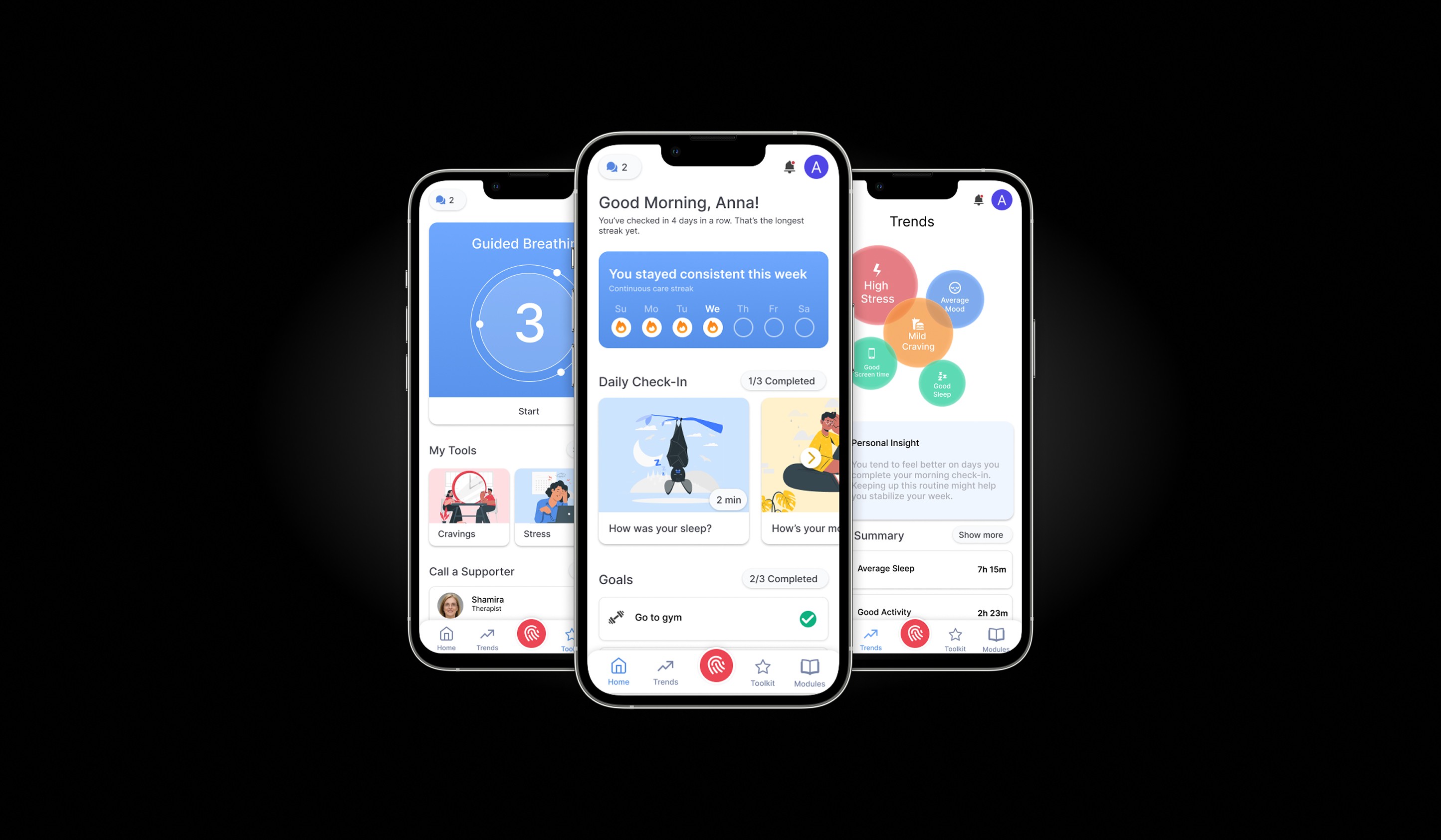
Coobi Care is a digital platform that supports people in recovery after detox, helping maintain long‑term progress through continuous guidance.
Coobi Care
YEAR
2024
ROLE
UX/UI DESIGNER
TOOLS




🔒 NDA Consideration
Due to confidentiality, original design files and exact screens cannot be shared. The visuals presented below are recreated representations of my work to demonstrate design thinking and approach.
In 2024, while studying at Humber and building my UX/UI skills, I found a UI design opportunity through a Slack community and joined a small German startup. I worked remotely with three co‑founders and a senior product designer, presenting ideas weekly and iterating based on feedback. It became my first real experience in collaborative product design and an early lesson in designing for users I’d never meet, for a problem I had to research deeply to understand.
🎉Coobi Care is officially launched!
Coobi Care has since launched on both the App Store and Google Play.

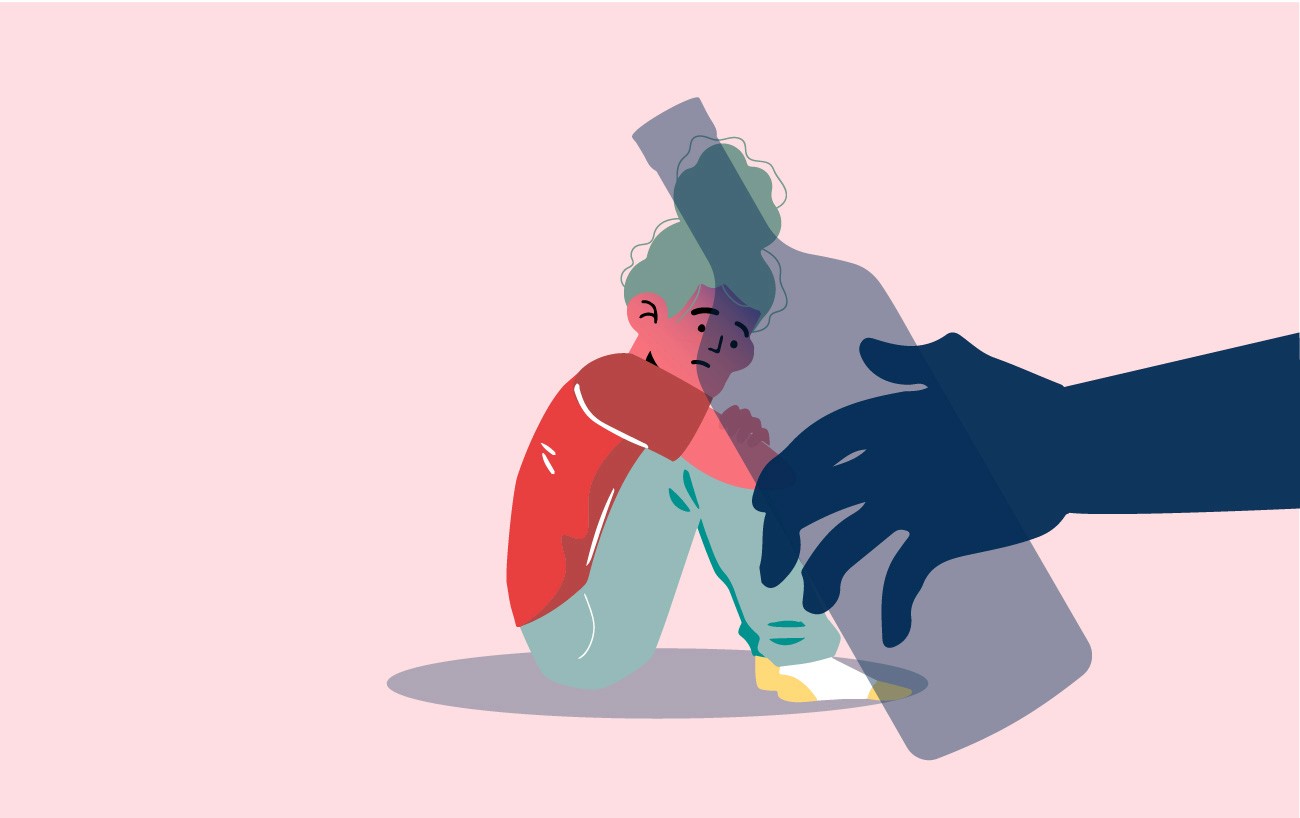
People leaving detox often relapse not from lack of willpower, but lack of structure and support in the critical weeks after clinical care ends.
Early recovery is widely recognized as a vulnerable period, with research showing that relapse risk remains high in the first 90 days following treatment.
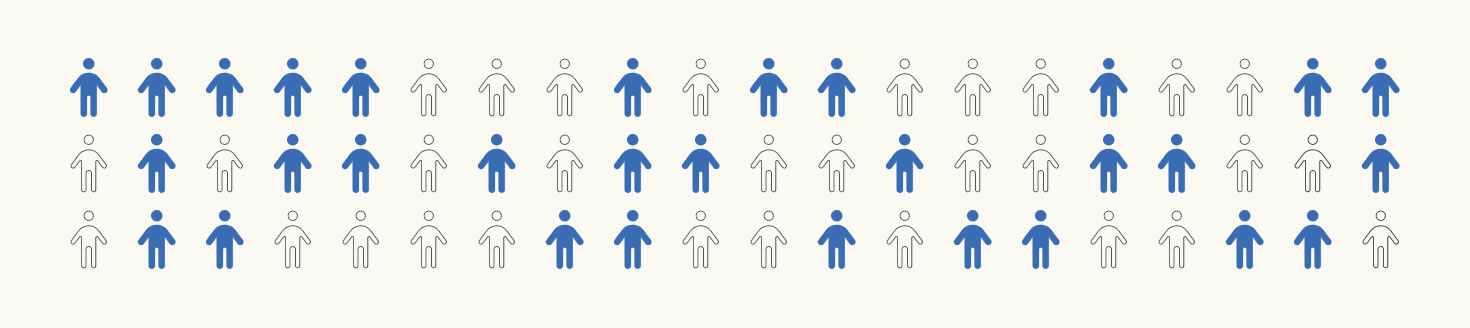
Did relapse
Didn't relapse
Before exploring solutions, I audited existing recovery tools to understand the current landscape.
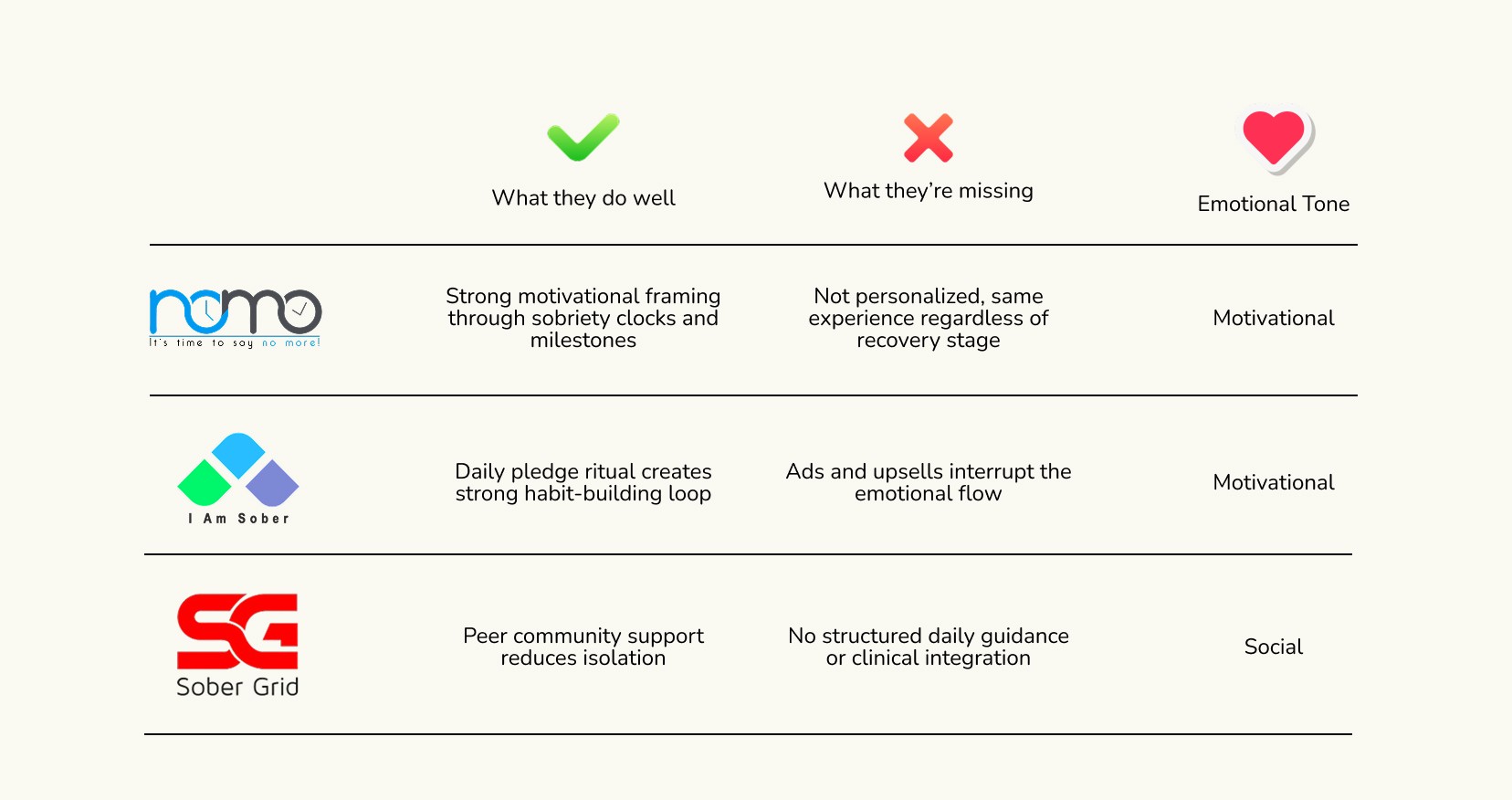
To ground design decisions in real user needs, I built a persona based on clinical context from the Coobi team.
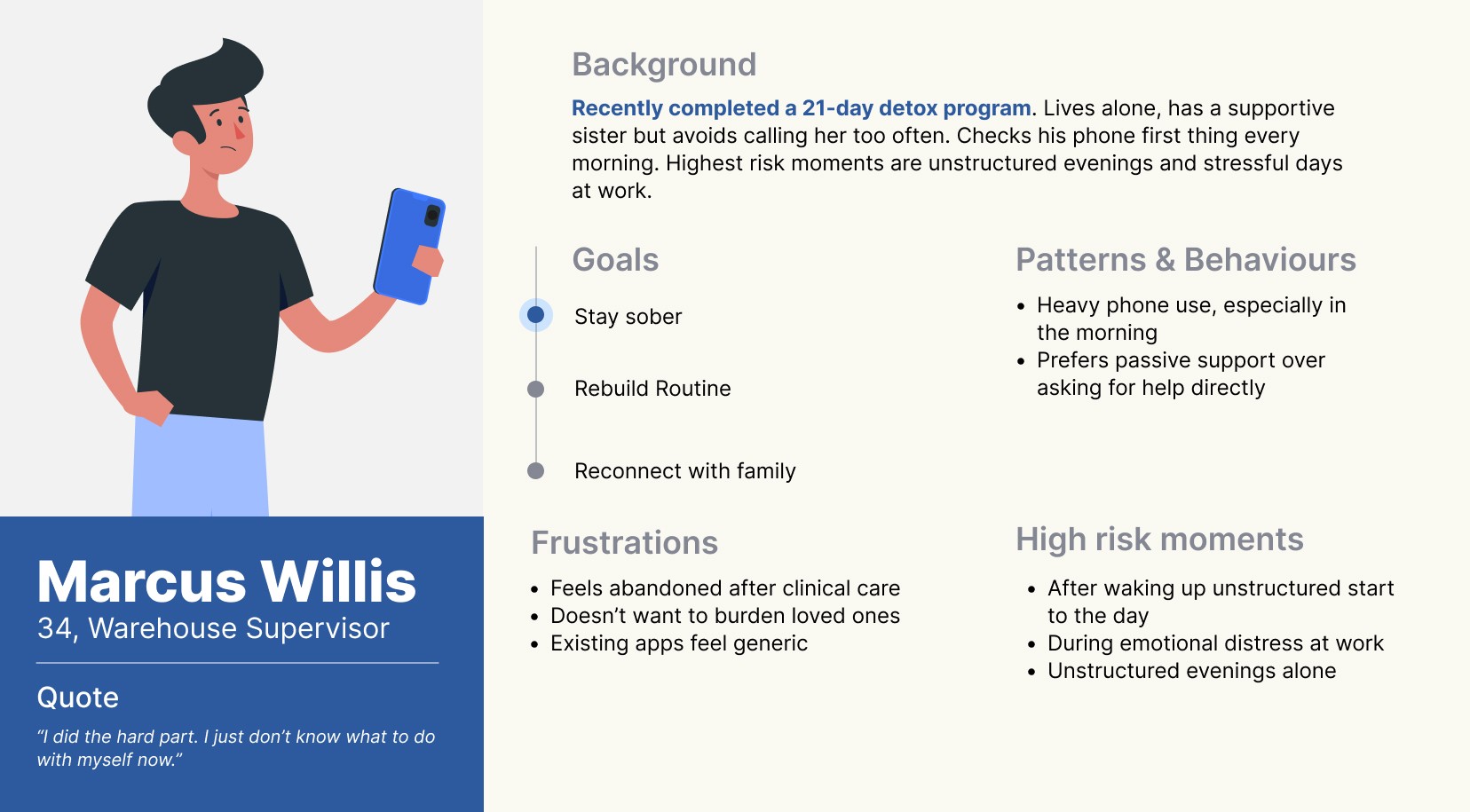
Coobi Care supports individuals through the most vulnerable stage of recovery, the transition from detox to independent living. It provides continuous, structured guidance that keeps users connected, accountable, and supported beyond clinical care.
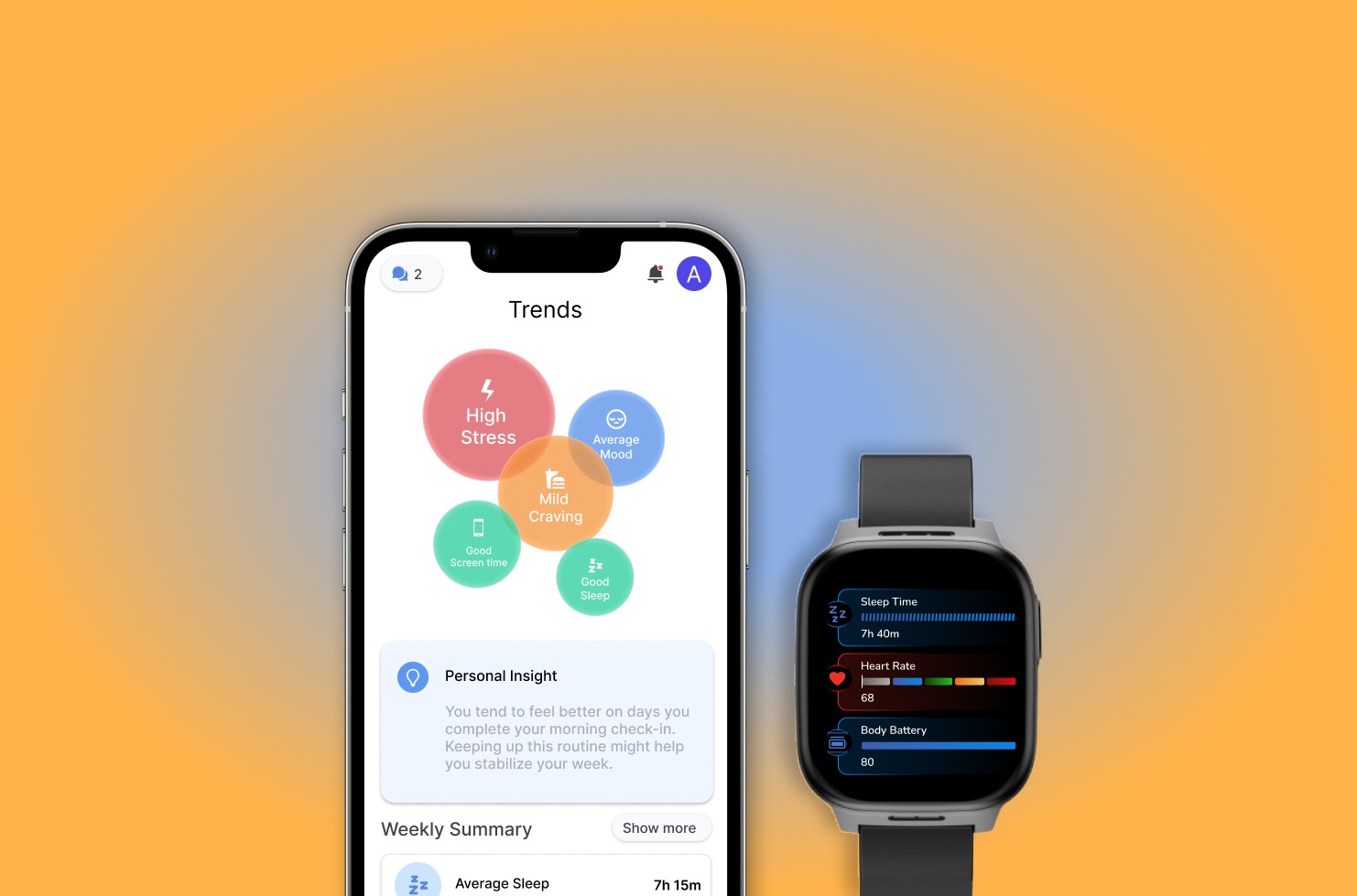
A personalized recovery dashboard tailored to each user's progress



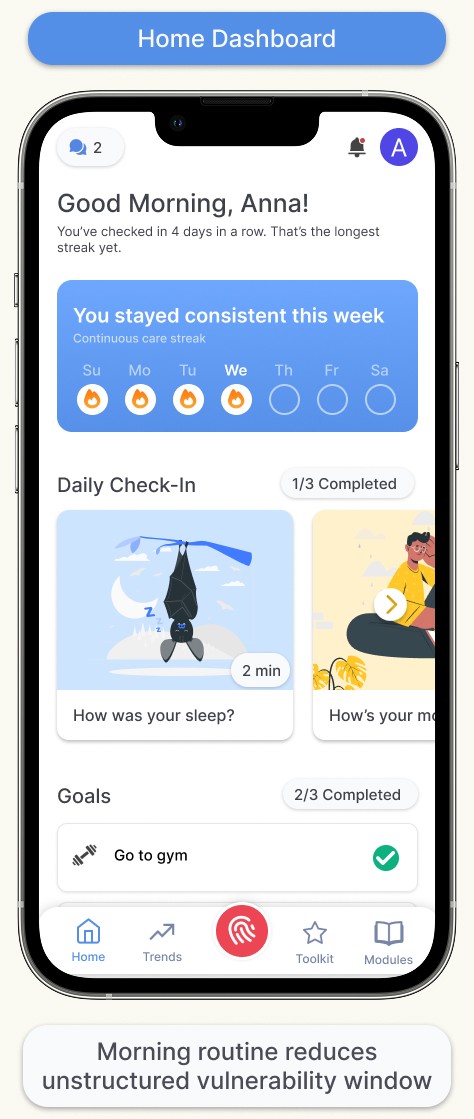
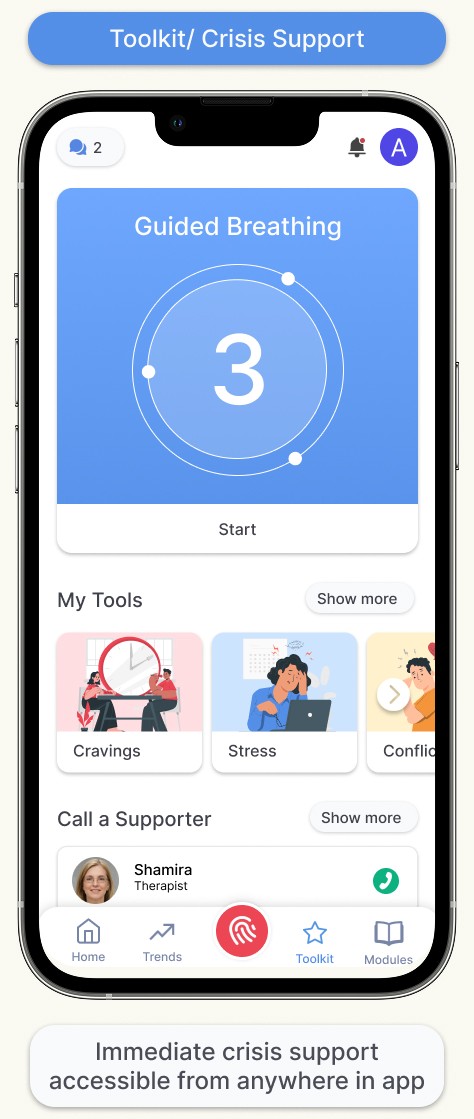
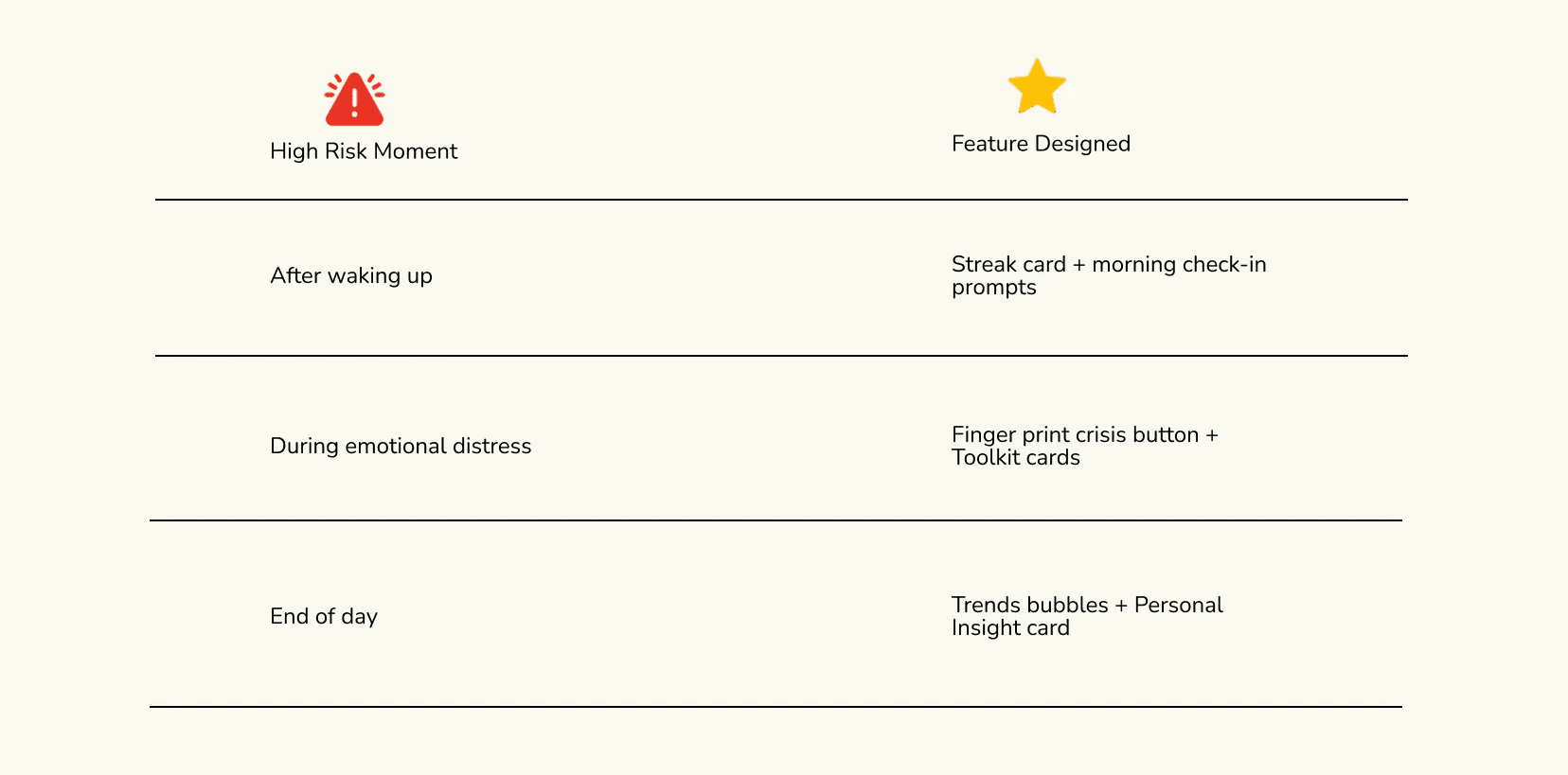
Each of the three high risk moments identified in the research, maps directly to a feature in the final design.
I identified 3 design principles
🕐 Low Friction
Every interaction is under 2 minutes. During emotional distress, long forms get abandoned. Short illustrated prompts feel like a gentle nudge, not a clinical task.
🎨 Warm Not Clinical
Colour, illustration style, and language were chosen to feel supportive rather than medical. Red is avoided outside critical alerts. Friendly characters replace sterile UI patterns.
📋 Structure Not Surveillance
Daily check-ins build habit without pressure. The streak tracks continuity of care, not performance. Missing a day doesn't feel like failure, it feels like an open circle waiting to be filled.
Designing for emotional vulnerability, navigating NDA limits, collaborating across time zones, and working from pre‑existing research all shaped the constraints and decisions behind this project.
🫧Designing for emotional vulnerability
Every design decision had to balance being helpful without being triggering. Colour, copy, and interaction patterns were all filtered through one question (Does this feel safe for someone in a fragile emotional state?)
🔒 NDA Constraints
Original design files and exact screens cannot be shared due to confidentiality. All screens presented are recreated representations of my work to demonstrate design thinking and approach.
🌍 Remote Collaboration across time zones
Working with a German startup while studying in Toronto meant all collaboration happened asynchronously. Design decisions had to be clearly documented and self-explanatory without real-time discussion.
📚 Working with pre-existing research
Primary user research was conducted by the Coobi team before I joined. My challenge was internalising someone else's clinical findings and translating them into design decisions I could independently defend. This taught me how to work with research I didn't generate a skill that reflects more real design roles.
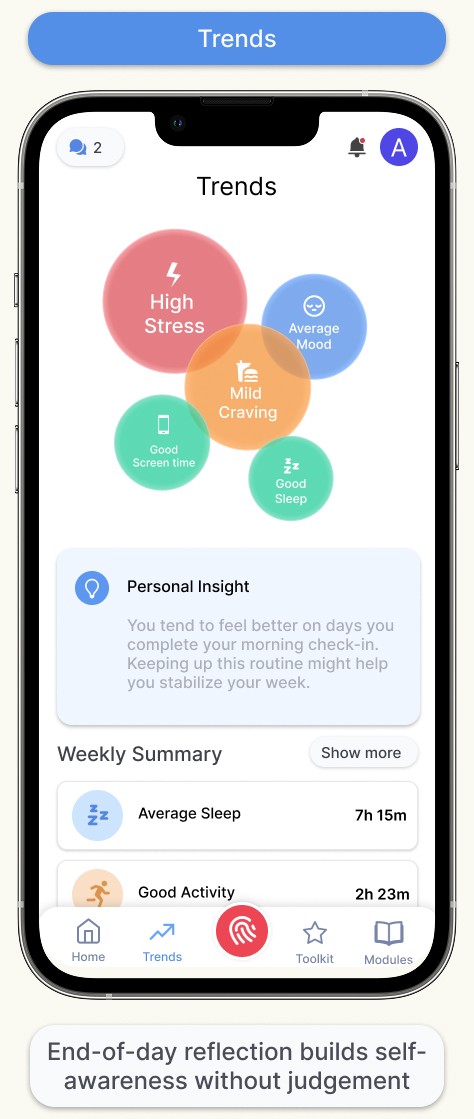
Looking back, each high‑risk moment from the research directly shaped the final design. The morning vulnerability window became the streak card and daily check‑ins, emotional distress informed the fingerprint crisis button and toolkit cards, and the unstructured end‑of‑day period led to the Trends screen and personalised insight. This process taught me that the goal wasn’t to remove the difficulty of recovery, but to make structure feel natural and habitual. Seeing Coobi Care launch on the App Store and Google Play in 2024 reinforced how thoughtful design can genuinely support people through these moments.
Next I'd design a therapist dashboard giving clinicians visibility into user patterns bridging digital support with clinical care. I'd also push to involve someone in active recovery in a feedback session. Designing for emotional vulnerability without direct user input is the biggest gap in this project, and the one I'd close first.